Chronic diseases have become a global health concern, affecting millions of people and posing significant challenges to healthcare systems worldwide. These conditions, often characterized by their long duration and slow progression, can have a profound impact on an individual’s quality of life.
What Are Chronic Diseases?
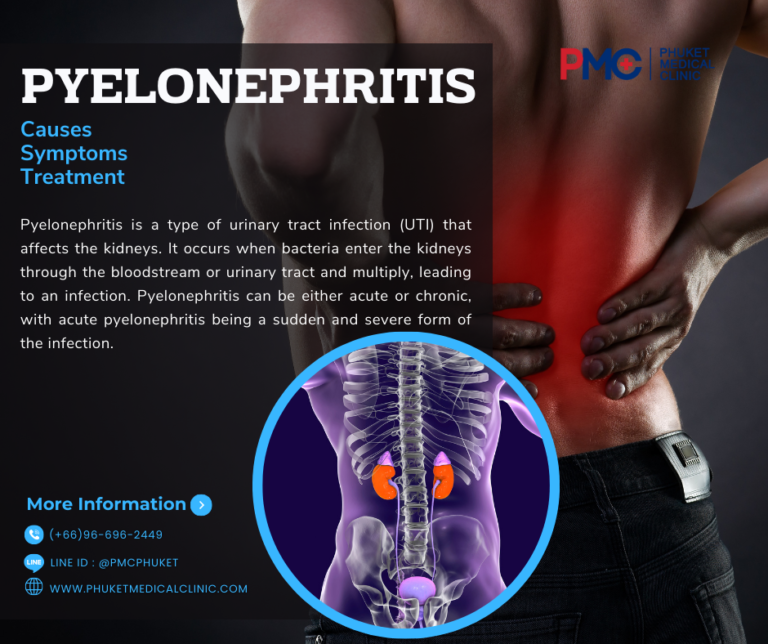
Chronic diseases are long-term health conditions that persist over an extended period, typically lasting for a year or more. Unlike acute illnesses that have a sudden onset and may resolve relatively quickly, chronic diseases can linger for a lifetime. Some common examples of chronic diseases include heart disease, diabetes, cancer, chronic respiratory diseases (such as asthma and chronic obstructive pulmonary disease), and arthritis.

Causes of Chronic Diseases
- Lifestyle Factors: Unhealthy lifestyle choices, such as poor diet, lack of physical activity, smoking, and excessive alcohol consumption, contribute significantly to the development of chronic diseases. These behaviors can lead to obesity, high blood pressure, and high cholesterol levels, which are risk factors for conditions like heart disease and diabetes.
- Genetics: While lifestyle plays a crucial role, genetics can also predispose individuals to chronic diseases. Certain genetic mutations and family histories can increase the risk of inheriting conditions like cancer, autoimmune disorders, and some types of diabetes.
- Environmental Factors: Exposure to environmental toxins, pollutants, and harmful chemicals can contribute to chronic diseases. For example, long-term exposure to air pollution is linked to respiratory diseases, while asbestos exposure can lead to lung cancer.
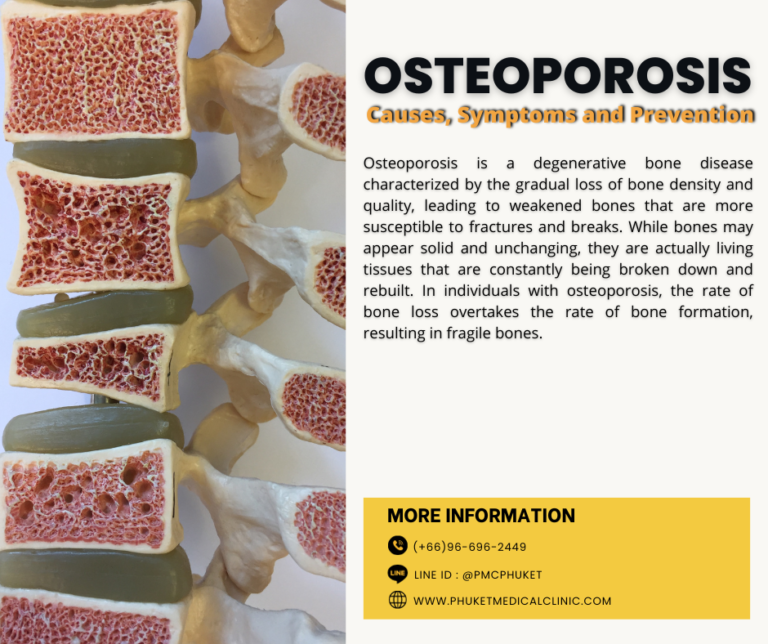
- Age: Many chronic diseases become more prevalent with age. Conditions such as osteoporosis and Alzheimer’s disease are more common in older individuals.
Prevention of Chronic Diseases
Preventing chronic diseases often requires a proactive approach focused on lifestyle modifications and risk reduction strategies:
- Healthy Diet: Adopting a balanced and nutritious diet that includes a variety of fruits, vegetables, whole grains, lean proteins, and limited processed foods can reduce the risk of heart disease, diabetes, and obesity.
- Regular Exercise: Engaging in regular physical activity can help maintain a healthy weight, improve cardiovascular health, and reduce the risk of chronic diseases.
- Tobacco and Alcohol Control: Quitting smoking and moderating alcohol consumption significantly lower the risk of chronic diseases such as lung cancer, heart disease, and liver disease.
- Screening and Early Detection: Regular health check-ups and screenings can aid in the early detection of chronic diseases, allowing for timely intervention and treatment.
Management of Chronic Diseases
Effective management of chronic diseases is essential for improving the quality of life and preventing complications. Key components of chronic disease management include:
- Medication: Depending on the condition, medication may be prescribed to manage symptoms, control progression, or prevent complications.
- Lifestyle Changes: Patients are often advised to make lifestyle changes such as dietary modifications, exercise, and stress management to better control their condition.
- Regular Monitoring: Routine check-ups and monitoring of vital signs and biomarkers help healthcare providers assess the progression of the disease and adjust treatment plans accordingly.
- Support and Education: Patients benefit from education about their condition and access to support groups and resources to help them cope with the challenges of chronic disease.
Chronic diseases are a significant public health concern that can impact individuals of all ages. Understanding their causes, adopting preventive measures, and effectively managing these conditions can lead to improved health outcomes and a better quality of life. By making informed choices and seeking early intervention, individuals can reduce their risk of developing chronic diseases and better navigate the challenges they pose. Remember, prevention and proactive management are key to addressing this global health issue.
Check for chronic disease at at Phuket Medical Clinic
Phuket Medical Clinic : Close, Expert Care. Dedicated Medical Professionals and Skilled Team providing Consultation and Treatment. Walk-in or Scheduled Appointments for Convenient and Efficient Services.
Book an appointment online : https://phuketmedicalclinic.youcanbook.me
Daily Open 🕙 10:00-18:00
Contact number ☎️ 096-696-2449
Line id : @pmcphuket or https://lin.ee/R1TKRDo
Map 📌https://goo.gl/maps/xu45eTQUTjgpukJa7
Website 🌐https://pmcclinicphuket.com
Feel free to consult with a doctor or ask further questions anytime.
Inbox : m.me/100483916443107
#healthcareclinic #คลินิกภูเก็ต
Phuket #Clinic #ภูเก็ตเมดิคอลคลินิก
#Phuketmedicalclinic