HBV

  • Hepatitis B Vaccine to Prevention in Phuket

    In the realm of preventive healthcare, the Hepatitis B vaccine stands as a powerful guardian against a potentially life-threatening viral infection. Hepatitis B is a contagious liver disease caused by the Hepatitis B virus (HBV), and vaccination is a key strategy to curb its spread. This article aims to provide a comprehensive overview of the Hepatitis B vaccine, shedding light on its importance, effectiveness, and the recommended vaccination schedule.
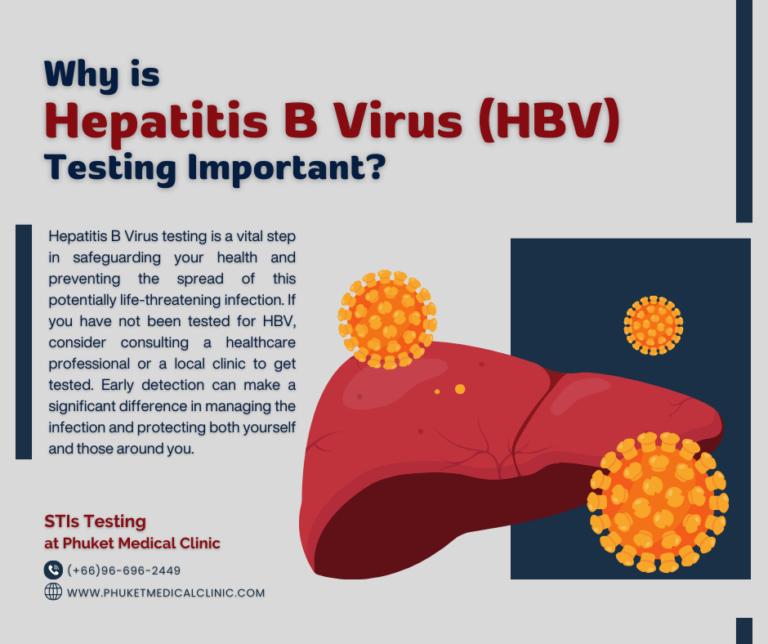

  • Why is Hepatitis B Virus (HBV) Testing Important?

    Hepatitis B Virus (HBV) is a global health concern that affects millions of people worldwide. It is a viral infection that primarily targets the liver, potentially leading to severe liver diseases such as cirrhosis and liver cancer if left untreated. Early detection of HBV is crucial for effective management and prevention of complications. In this article, we will explore the significance of HBV testing, the different testing methods available, and why you should consider getting tested.

    Why is HBV Testing Important?

  • Complications of Hepatitis B

    Hepatitis B is a viral infection that primarily affects the liver. It is caused by the hepatitis B virus (HBV) and is transmitted through contact with infected blood or bodily fluids. The virus can be contracted through unprotected sex, sharing contaminated needles, or from an infected mother to her baby during childbirth. Hepatitis B can lead to acute or chronic liver disease, with symptoms ranging from mild to severe. Acute hepatitis B infection may cause flu-like symptoms, jaundice, and fatigue, while chronic infection can result in long-term liver damage, cirrhosis, and an increased risk of liver cancer. Vaccination is available to prevent hepatitis B, and antiviral medications can help manage chronic infections. Regular testing and early intervention are crucial for effective management of the disease.

End of content

End of content