Early detection STD and treatment are paramount in improving health outcomes and saving lives. Detecting medical conditions at an early stage allows for timely intervention, preventing the progression of diseases and minimizing potential complications. This approach significantly increases the effectiveness of treatments, reducing the need for more invasive and costly procedures later on. Additionally, early detection often provides a broader range of treatment options, enhancing the likelihood of successful outcomes. Prioritizing early detection empowers individuals to take proactive control of their health, promoting a healthier population overall and easing the burden on healthcare systems. Ultimately, it underscores the fundamental principle that prevention is better than cure.
Recognizing the Signs and Symptoms of STD
Recognizing the signs and symptoms of sexually transmitted diseases (STDs) is important for early detection and treatment. It’s essential to remember that many STDs can have asymptomatic or mild symptoms, so regular testing and safe sexual practices are crucial. Here are some common signs and symptoms associated with various STDs:
- Chlamydia
- Often asymptomatic, but some people may experience:
- Painful urination
- Abnormal genital discharge
- Pain or discomfort in the lower abdomen
- Painful intercourse (women)
- Bleeding between periods (women)
- Gonorrhea
- Similar to chlamydia, gonorrhea can be asymptomatic, but symptoms may include:
- Painful urination
- Abnormal genital discharge
- Pain or swelling in the testicles (men)
- Painful intercourse (women)
- Bleeding between periods (women)
- Syphilis
- Syphilis progresses through stages, and symptoms can vary depending on the stage:
- Primary stage: Painless sore (chancre) on or around the genitals, anus, or mouth.
- Secondary stage: Skin rash, fever, swollen lymph nodes, sore throat, fatigue.
- Latent and late stage: No visible symptoms (but can cause severe damage to internal organs).
- Herpes (HSV-1 and HSV-2)
- Often causes painful, fluid-filled blisters or sores around the mouth (HSV-1) or genitals (HSV-2).
- Some people may experience flu-like symptoms during the initial outbreak.
- Human Papillomavirus (HPV)
- Often asymptomatic, but some strains can cause genital warts.
- High-risk HPV strains can lead to cervical, anal, or other cancers.
- HIV (Human Immunodeficiency Virus)
- Early infection may cause flu-like symptoms such as fever, fatigue, swollen lymph nodes, and sore throat.
- As the disease progresses, it weakens the immune system, leading to various opportunistic infections and symptoms.
- Trichomoniasis
- Often causes vaginal discharge in women (green, yellow, or frothy) and can cause discomfort or itching.
- Symptoms in men are usually mild or absent.
- Bacterial Vaginosis (BV)
- Common in women and may cause a fishy-smelling vaginal discharge.
Steps to Take When You Suspect an STD
If you suspect you might have contracted a sexually transmitted disease (STD), it’s crucial to take prompt action to protect your health and the health of your sexual partners. Here are the steps you should take:
- Get Tested: Schedule an appointment with a healthcare provider or visit a sexual health clinic to get tested for STD and HIV. Many STDs can be asymptomatic or have mild symptoms, so testing is the only way to confirm their presence. Depending on the specific STD, the testing method may involve blood tests, urine samples, or swabs from the affected area.
- Avoid Sexual Contact: Refrain from any sexual activity until you receive your test results and, if necessary, complete the prescribed treatment. This will help prevent the potential spread of the infection to your partners.
- Notify Sexual Partners: If you receive a positive diagnosis for an STD, inform your recent sexual partners about your diagnosis. This allows them to get tested and seek treatment if necessary. It may be an uncomfortable conversation, but it is essential for their health and the health of others.
- Follow Treatment Guidelines: If your test results come back positive for an STD, follow your healthcare provider’s recommended treatment plan diligently. Completing the full course of treatment is crucial to effectively clear the infection from your body.

Actions to Consider When You Think You Have an STD
- Practice Safe Sex: After completing treatment and receiving confirmation that the infection has cleared, practice safe sex by consistently using condoms or dental dams during sexual activity. Safe sex practices can help prevent future infections and reduce the risk of transmitting STDs to others.
- Screen for Other Infections: Some STDs can occur simultaneously or increase the risk of acquiring others. Therefore, your healthcare provider may recommend screening for multiple STDs to ensure a comprehensive assessment of your sexual health.
- Talk to Your Doctor: Openly discuss any concerns or questions you have about your sexual health with your healthcare provider. They can provide guidance on prevention, safe sex practices, and regular screening.
- Take Care of Your Health: Engage in a healthy lifestyle that includes a balanced diet, regular exercise, sufficient sleep, and stress management. A strong immune system can help your body fight off infections.
Finding The Right Healthcare Provider
Finding the right healthcare provider is important for maintaining your overall health and addressing any specific medical concerns you may have. Here are some steps to help you find the right healthcare provider:
- Assess Your Needs: Determine the type of healthcare provider you need based on your specific requirements. For general health concerns, you may seek a primary care physician (PCP). For specialized issues, you might need to see a specialist, such as a cardiologist, dermatologist, gynecologist, or others.
- Check Your Insurance: If you have health insurance, review your policy to understand which healthcare providers are covered under your plan. Many insurance companies have a list of in-network providers, which can help you save on medical expenses.
- Ask for Recommendations: Seek recommendations from friends, family, or coworkers who have had positive experiences with healthcare providers. Personal referrals can be valuable in finding a doctor who matches your needs and preferences.
- Research Online: Use online resources to search for healthcare providers in your area. You can check their websites, read patient reviews, and learn about their specialties and qualifications.
- Consider Location and Accessibility: Choose a healthcare provider whose office is conveniently located and easily accessible from your home or workplace. This will make it more convenient for regular check-ups and appointments.
Discovering the Suitable Healthcare Provider
- Verify Credentials: Ensure that the healthcare provider is licensed, board-certified, and has relevant qualifications in their field of expertise. You can check this information through your country’s medical licensing board.
- Assess Communication Style: Effective communication is crucial in the patient-provider relationship. Look for a healthcare provider who listens to your concerns, explains medical issues clearly, and involves you in treatment decisions.
- Inquire About Special Interests: If you have specific medical conditions or interests, consider finding a healthcare provider who specializes in or has experience treating those conditions.
- Visit the Practice: Schedule a consultation or a routine check-up with the healthcare provider to assess the practice’s environment and how comfortable you feel with the doctor and staff.
- Ask Questions: Don’t hesitate to ask questions during your appointment. Inquire about their approach to treatment, office policies, availability for urgent matters, and any other concerns you may have.
- Trust Your Instincts: Ultimately, trust your instincts and choose a healthcare provider with whom you feel comfortable and confident. A strong patient-provider relationship is essential for your well-being.
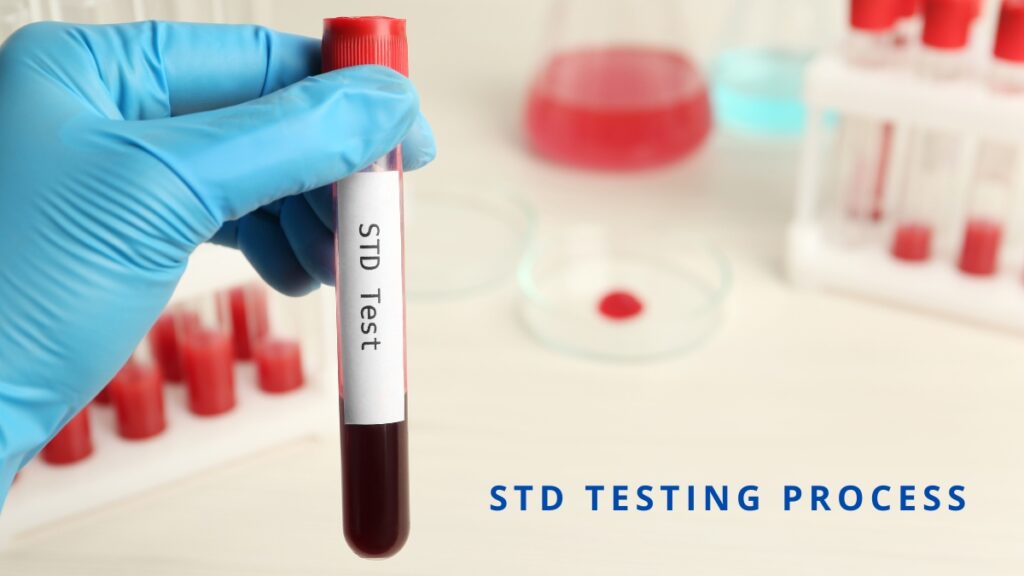
Understanding the STD Testing Process
Sexually transmitted diseases (STDs) are infections that can be transmitted through sexual activity. Getting tested for STDs is an essential part of taking care of your sexual health, especially if you are sexually active or have had unprotected sex. Understanding the STD testing process can help you make informed decisions about your health. Here’s a general overview of what you can expect during the STD testing process:
- Assessment and Discussion: When you visit a healthcare provider for STD testing, they will begin by asking you some questions about your sexual history, any symptoms you may be experiencing, and your risk factors for specific STDs. This information will help them determine which tests are appropriate for you.
- Physical Examination (if necessary): In some cases, a physical examination may be conducted to check for any visible signs of infection, such as genital warts, sores, or rashes.
Sample Collection
The specific STD tests you undergo will depend on the information gathered during the assessment. The most common types of samples collected for testing include:
- Blood Test: A simple blood draw is used to test for infections like HIV, syphilis, hepatitis, and herpes.
- Urine Test: A urine sample may be taken to test for infections like chlamydia and gonorrhea.
- Swab Test: Swabs may be used to collect samples from the genital area, anus, throat, or mouth to test for infections like chlamydia, gonorrhea, syphilis, herpes, and HPV.
- Fluid Sample: If you have active sores or lesions, your healthcare provider may collect fluid from them to test for herpes or other infections.
The STD testing process explained
- Lab Testing
- The collected samples will be sent to a laboratory for analysis. The time it takes to get the results varies depending on the specific tests being conducted. Some results may be available within a few hours, while others may take a few days.
- Follow-Up and Treatment
- Once the test results are available, your healthcare provider will discuss them with you. If any STDs are detected, they will recommend an appropriate treatment plan. For some STDs, like bacterial infections (e.g., chlamydia and gonorrhea), antibiotics are typically prescribed. Viral infections, such as herpes or HIV, may require ongoing management and antiviral medications.
- Partner Notification
- If you test positive for an STD, it’s essential to notify your sexual partners so that they can also get tested and receive appropriate treatment. This helps prevent the further spread of infections.
- Preventive Measures
- In addition to treatment, your healthcare provider will likely discuss preventive measures, such as safe sex practices, regular testing, and vaccination (e.g., HPV and hepatitis B vaccines).
Coping with an STD Diagnosis
Being diagnosed with an STD can be a very stressful and emotional experience. It’s normal to feel a range of emotions, such as sadness, anger, shame, and guilt. It’s important to allow yourself to feel these emotions and to find healthy ways to cope with them.
Here are some tips for coping with an STD diagnosis:
- Educate yourself about STDs. The more you know about STDs, the less likely you are to feel scared or confused. There are many resources available online and in libraries that can help you learn more about STDs.
- Talk to someone you trust. Talking to a friend, family member, therapist, or counselor can help you process your emotions and get support.
- Take care of your physical and emotional health. Make sure you’re getting enough sleep, eating healthy foods, and exercising regularly. These activities can help you feel better physically and emotionally.
- Don’t blame yourself. It’s important to remember that you didn’t do anything wrong to get an STD. STDs are very common, and they can happen to anyone.
- Seek treatment. If you’re diagnosed with an STD, it’s important to seek treatment as soon as possible. Treatment can help you clear the infection and prevent you from spreading the STD to others.
- Be patient. It takes time to heal emotionally from an STD diagnosis. Be patient with yourself and allow yourself to grieve.
Final Thoughts
Early detection and prompt treatment of sexually transmitted diseases (STDs) is essential for protecting your health and the health of your partners. Many STDs can be cured or treated with medication, but if they are left untreated, they can lead to serious health problems, including infertility, chronic pain, and even death. Some STDs, such as HIV, can also be transmitted from mother to child during pregnancy, childbirth, or breastfeeding.
This is why it is so important for pregnant women to get tested for STDs at Phuket Medical Clinic and to receive treatment if they are infected. There are many ways to prevent STDs, including using condoms and dental dams, getting vaccinated against HPV, and limiting the number of sexual partners you have. However, even if you take all of these precautions, there is still a chance that you could get an STD. That is why it is so important to get tested regularly. If you think you might have an STD, don’t delay. See a healthcare provider right away. Early detection and prompt treatment can make all the difference in your health.