In today’s fast-paced world, maintaining a healthy lifestyle is more crucial than ever, as cardiovascular diseases continue to be a leading cause of death worldwide. One significant contributor to heart disease is dyslipidemia, a condition characterized by abnormal levels of lipids (fats) in the blood. In this article, we will delve into the causes, symptoms, and management of dyslipidemia to help you take proactive steps towards better heart health.
What is Dyslipidemia?
Dyslipidemia refers to an imbalance in the levels of lipids, such as cholesterol and triglycerides, in the bloodstream. These lipids play a vital role in various bodily functions, but an excess or deficiency can lead to health problems. Dyslipidemia typically involves high levels of “bad” LDL (low-density lipoprotein) cholesterol and/or low levels of “good” HDL (high-density lipoprotein) cholesterol.

Causes of Dyslipidemia
Several factors can contribute to the development of dyslipidemia, including:
- Poor Diet: Consuming excessive saturated fats, trans fats, and cholesterol-rich foods can raise LDL cholesterol levels.
- Sedentary Lifestyle: Lack of physical activity can lead to weight gain and unfavorable lipid profiles.
- Genetics: A family history of dyslipidemia can increase one’s risk.
- Obesity: Excess body weight can lead to elevated triglyceride levels and lower HDL cholesterol.
- Medical Conditions: Conditions like diabetes, hypothyroidism, and kidney disease can disrupt lipid metabolism.
- Medications: Certain medications, such as some corticosteroids and diuretics, can affect lipid levels.
Symptoms of Dyslipidemia
Dyslipidemia is often asymptomatic, meaning it doesn’t typically cause noticeable symptoms on its own. However, the long-term consequences of untreated dyslipidemia can be severe and include:
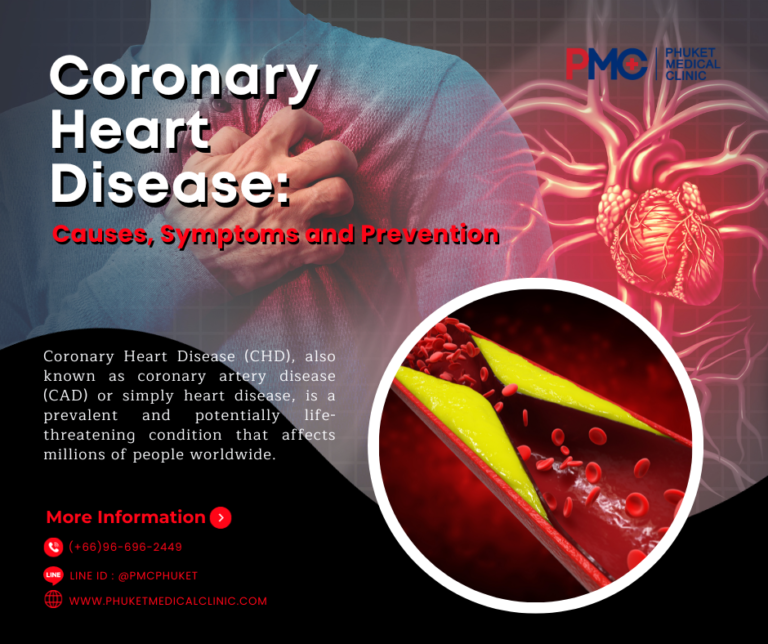
- Atherosclerosis: The buildup of fatty deposits in arteries, increasing the risk of heart attacks and strokes.
- Xanthomas: Fatty deposits that may form under the skin, usually around the eyes.
- Pancreatitis: Extremely high triglyceride levels can lead to inflammation of the pancreas.
Diagnosing Dyslipidemia
Dyslipidemia is usually detected through blood tests that measure cholesterol and triglyceride levels. These tests include:
- Total Cholesterol Test
- LDL Cholesterol Test
- HDL Cholesterol Test
- Triglyceride Test
Management and Treatment
Managing dyslipidemia is crucial for reducing the risk of heart disease. Treatment options may include:
- Lifestyle Modifications: Adopting a heart-healthy diet, increasing physical activity, quitting smoking, and limiting alcohol intake.
- Medications: In some cases, healthcare providers may prescribe cholesterol-lowering medications, such as statins or fibrates.
- Regular Monitoring: Routine follow-up with healthcare providers to track lipid levels and adjust treatment as needed.
Dyslipidemia is a common condition that can significantly increase the risk of heart disease if left unmanaged. By understanding its causes, recognizing its potential symptoms, and taking proactive steps to manage it, individuals can work towards achieving better heart health. Remember, a healthy lifestyle, regular check-ups, and medical guidance are key to managing dyslipidemia effectively.
Dyslipidemia – Diagnosis and Treatment in Phuket
Phuket Medical Clinic : Close, Expert Care. Dedicated Medical Professionals and Skilled Team providing Consultation and Treatment. Walk-in or Scheduled Appointments for Convenient and Efficient Services.
Book an appointment online : https://phuketmedicalclinic.youcanbook.me
Daily Open 🕙 10:00-18:00
Contact number ☎️ 096-696-2449
Line id : @pmcphuket or https://lin.ee/R1TKRDo
Map 📌https://goo.gl/maps/xu45eTQUTjgpukJa7
Website 🌐https://pmcclinicphuket.com
Feel free to consult with a doctor or ask further questions anytime.
Inbox : m.me/100483916443107
#healthcareclinic #คลินิกภูเก็ต
Phuket #Clinic #ภูเก็ตเมดิคอลคลินิก
#Phuketmedicalclinic