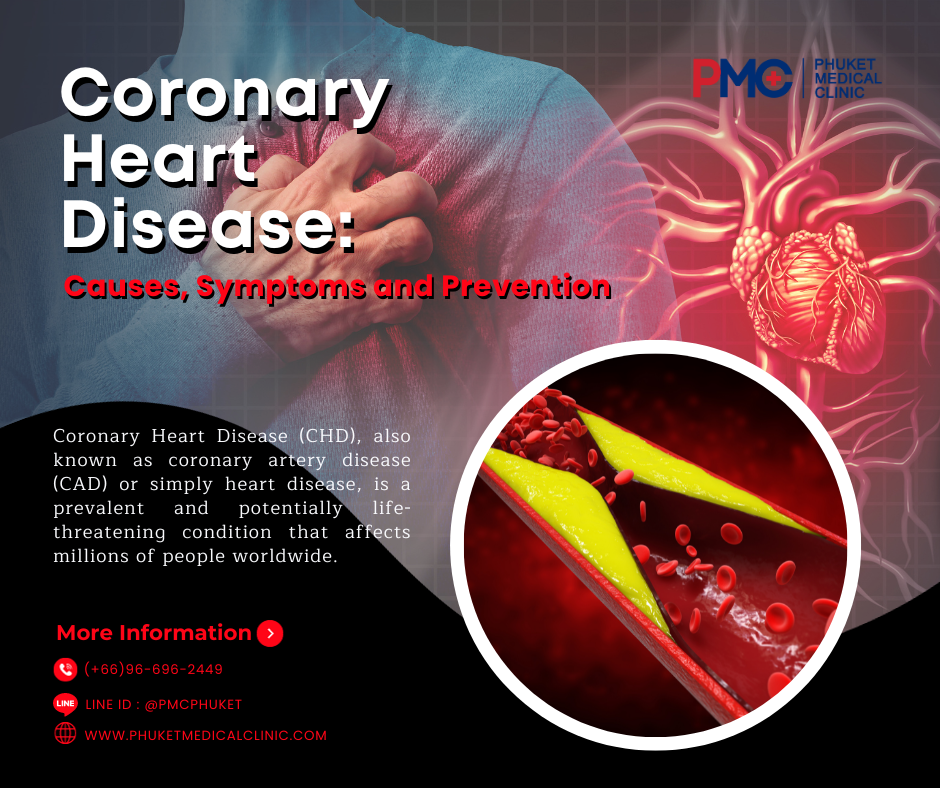
Coronary Heart Disease (CHD), also known as coronary artery disease (CAD) or simply heart disease, is a prevalent and potentially life-threatening condition that affects millions of people worldwide. In this article, we will delve into the causes, symptoms, risk factors, and preventive measures associated with CHD, offering readers a comprehensive understanding of this prevalent ailment.
Causes of Coronary Heart Disease:
Coronary Heart Disease primarily develops due to the accumulation of plaque within the coronary arteries, which are responsible for supplying oxygen and nutrients to the heart muscle. This plaque buildup, a process called atherosclerosis, narrows the arteries, reducing blood flow to the heart. The main causes of CHD include:
- High Cholesterol Levels: Elevated levels of LDL (low-density lipoprotein) cholesterol in the blood contribute to plaque formation in the arteries.
- Hypertension (High Blood Pressure): Uncontrolled high blood pressure increases the strain on the heart and can lead to the development of CHD.
- Smoking: Smoking is a major risk factor for CHD as it damages the blood vessels and promotes atherosclerosis.
- Diabetes: Individuals with diabetes are at a higher risk of CHD due to increased blood sugar levels and associated complications.
- Family History: A family history of CHD can increase one’s susceptibility to the condition.
Common Symptoms of CHD:
Recognizing the signs and symptoms of CHD is crucial for early diagnosis and prompt treatment. Some common symptoms include:
- Chest Pain (Angina): A sensation of pressure, squeezing, or burning in the chest, which can radiate to the arms, neck, jaw, or back.
- Shortness of Breath: Difficulty breathing, especially during physical activity or emotional stress.
- Fatigue: Feeling tired even after resting.
- Irregular Heartbeat: Heart palpitations or arrhythmias may occur.
- Dizziness or Fainting: These symptoms can result from reduced blood flow to the brain.
Risk Factors for Coronary Heart Disease:
Understanding the risk factors associated with CHD can help individuals take proactive steps to lower their risk. These include:
- Age: The risk of CHD increases with age, especially for men over 45 and women over 55.
- Gender: Men tend to be at higher risk than women, although the risk for women increases after menopause.
- Lifestyle Factors: Poor diet, lack of exercise, smoking, and excessive alcohol consumption all contribute to CHD.
- Obesity: Excess body weight can lead to other risk factors like hypertension and diabetes.
- Stress: Chronic stress can increase the risk of CHD.
Prevention and Management:
Preventing CHD is possible through a combination of lifestyle changes and medical interventions:
- Adopt a Heart-Healthy Diet: Consume a diet rich in fruits, vegetables, whole grains, lean proteins, and low-fat dairy while limiting saturated and trans fats, sodium, and added sugars.
- Regular Physical Activity: Engaging in regular exercise helps maintain a healthy weight, lower blood pressure, and improve overall cardiovascular health.
- Quit Smoking: Quitting smoking is one of the most significant steps to reduce CHD risk.
- Manage Chronic Conditions: If you have diabetes or hypertension, work with your healthcare provider to keep these conditions under control.
- Medications: In some cases, medications may be prescribed to manage cholesterol levels, blood pressure, or other risk factors.
Coronary Heart Disease is a serious health concern, but by understanding its causes, recognizing its symptoms, and mitigating risk factors through lifestyle changes, individuals can take control of their heart health. Early detection and proactive measures can significantly reduce the impact of CHD and improve overall well-being. Always consult with a healthcare professional for personalized advice and guidance on heart disease prevention and management.
Coronary Heart Disease – Diagnosis and Treatment at Phuket Medical Clinic
Phuket Medical Clinic : Close, Expert Care. Dedicated Medical Professionals and Skilled Team providing Consultation and Treatment. Walk-in or Scheduled Appointments for Convenient and Efficient Services.
Book an appointment online : https://phuketmedicalclinic.youcanbook.me
Daily Open 🕙 10:00-18:00
Contact number ☎️ 096-696-2449
Line id : @pmcphuket or https://lin.ee/R1TKRDo
Map 📌https://goo.gl/maps/xu45eTQUTjgpukJa7
Website 🌐https://pmcclinicphuket.com
Feel free to consult with a doctor or ask further questions anytime.
Inbox : m.me/100483916443107
#healthcareclinic #คลินิกภูเก็ต
Phuket #Clinic #ภูเก็ตเมดิคอลคลินิก
#Phuketmedicalclinic